
Office Parties, Opt-Outs, and Authentic Celebration: Rethinking Holiday Culture at Work
Office parties are often meant to bring a little joy to the workplace, but let’s be honest, they can also bring pressure, awkwardness, and boundary confusion.
I still remember getting asked to contribute to a gift for a colleague who was nice to no one. Ever. I went round and round with myself about what to do, unsure how to participate authentically in a celebration for someone who constantly treated me as less than. That moment sparked a journey for me: learning to navigate office celebration culture with integrity, self-respect, and care for the team.
As we head into the height of the holiday season, it's a great time to reflect on your boundaries around workplace social events and to rethink what meaningful, inclusive celebration actually looks like.
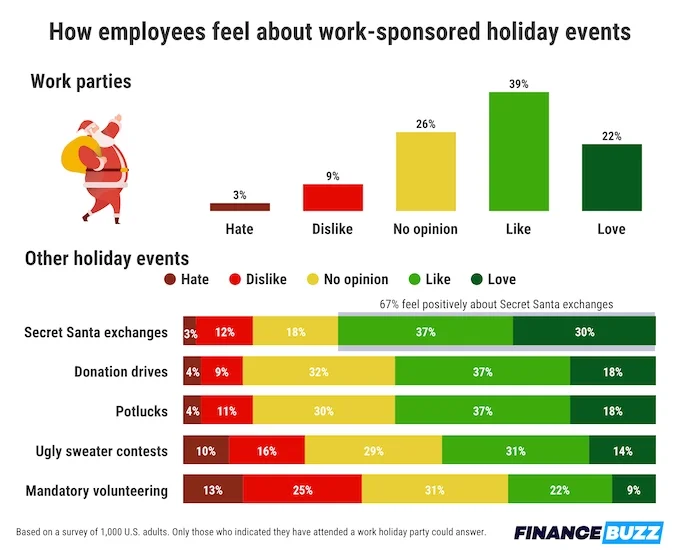
FinanceBuzz Holiday Survey
📊 Data That Matters: What Employees Really Think About Office Celebrations
Almost two-thirds of respondents to a Visier survey (64%) reduced or entirely stopped attending company events after work hours during 2023. If given the choice, 69% of people surveyed would prefer to receive a larger annual bonus instead of attending a holiday party.
→ Visier, Employees Don't Wanna Holiday Party New Survey ShowsAccording to a survey by ezCater, 82 percent of workers said they plan on attending their business’s seasonal bash in 2025, up from 70 percent in 2024.
→ Inc., Don’t Skimp on Your Holiday Office Party. Employees Want It More Than EverThe economy is rough right now. In a survey by ResumeTemplates.com, 61% of respondents said its harder to afford holiday expenses this year than it was in 2024, with 35% of full-time workers saying they will spend less on gifts, and another 25% saying they will reduce spending on food around the holidays.
→ Public Sector HR Association, Survey: Many Workers Struggling to Afford Holiday Expenses This YearAccording to another survey, 70% of employees say they've felt pressured to attend a company-sponsored holiday party, and 66% have felt pressured to participate in a gift exchange.
→ FinanceBuzz, What Do Your Employees Really Think About Holiday Parties? 70% Feel Pressured to Attend [Survey]
Eagle Hill Consulting
⚖️ Equity & Inclusion: Who is Celebrated?
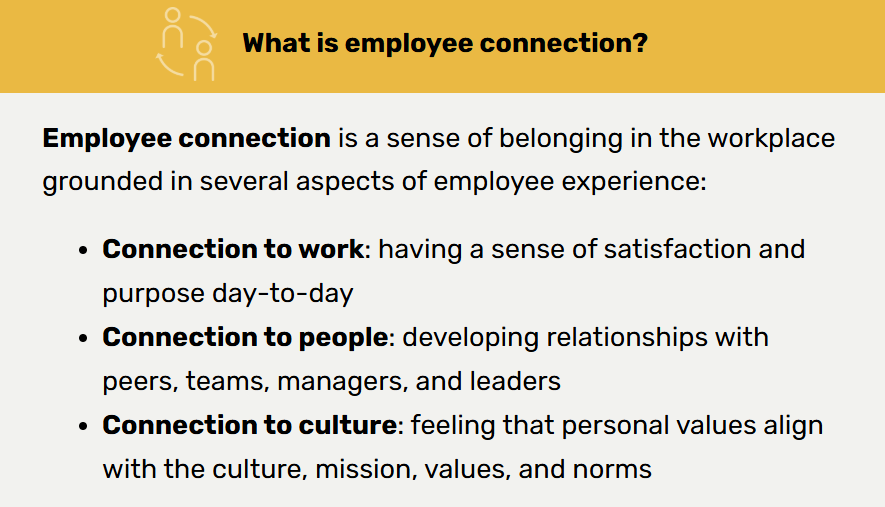
Celebration ≠ Connection: Just because an office has frequent potlucks or Secret Santas doesn’t mean people feel included or valued. Inclusive celebrations offer a variety of ways to participate and recognize the diversity of traditions and holidays among employees.
Forced Fun is Still... Forced: For neurodivergent employees, introverts, or those with different cultural or religious backgrounds from what's being celebrated, office celebrations may be draining or alienating. True inclusion means people can opt in or opt out without judgment or penalty.
Design with belonging in mind: Celebrating holidays, birthdays, and milestones helps create connection and a feeling of belonging, which is important in employee engagement and retention. But 1 in 5 employees feel like they don't belong, and this number is higher for Black and Hispanic employees as well as middle managers and front-line workers.
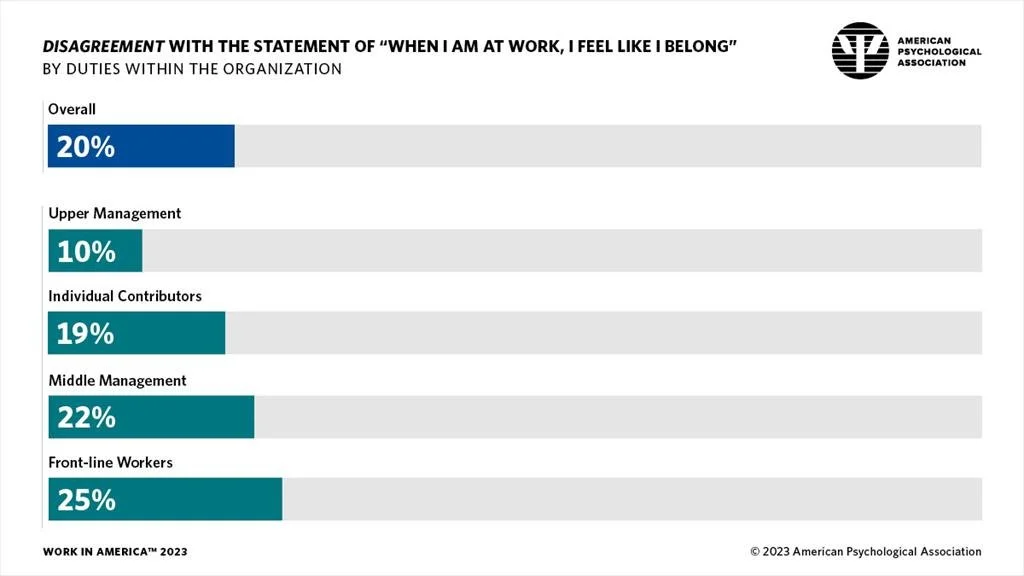
APA Work in America 2023
🔲 Boundary Highlight: Check In With Yourself
Boundaries around celebration often involve time, energy, identity, and resources. Ask yourself:
Do I feel obligated to participate, or do I truly want to?
Is this event aligned with my values and capacity right now?
What is the cost of saying yes to my energy, budget, or emotional health?
Can I honor others while still protecting myself?

🧾 Law & Policy: Supporting Equitable & Inclusive Celebration
Religious Accommodation: Under Title VII, employers must reasonably accommodate employees’ religious beliefs or practices, which includes reasonable accommodations for employees who abstain from holiday events because they conflict with religious beliefs.
Inclusion & Belonging: DEI policies should include guidance on inclusive celebrations that avoid bias, cliques, and cultural exclusion. Surveying employees is one way to ensure these policies reflect the composition of your workforce.
Spending Limits: Some workplaces have formal or informal expectations around giving. HR should ensure participation in gift-giving is never mandatory and clearly communicate this.
Wellness Policies: Employee wellness programs can support emotional wellbeing by offering opt-outs, stress-reduction options, or alternative ways to engage. They can also provide support for those experiencing grief who may not want to participate.
✅ Actions You Can Take
🧠 Individuals
Say no to events that drain you, without guilt.
Offer alternatives: “I’d love to contribute a card, but I won’t be attending.”
Create your own holiday rituals that align with your values.
🏢 Organizations
Use anonymous surveys to learn what employees actually want.
Offer flexible ways to participate: decorate your desk, join virtually, sign a card, or don't participate at all. And be clear that all options are supported.
Normalize opt-outs and train managers to support them without judgment.
Offer events during work hours or allow employees to plan them.
🌍 Systems-Level
Expand federally recognized holidays and inclusive leave policies.
Encourage state and local governments and large institutions to adopt floating holiday policies or cultural observance days.
Challenge cultural erasure in seasonal narratives by supporting policies and campaigns that acknowledge and educate about non-dominant traditions
💭 Closing Thought
Celebration should never come at the cost of someone’s comfort, dignity, or values. As you navigate the holiday season, give yourself permission to show up (or not) in the ways that feel right for you. Remember: boundaries create space for authentic joy.